Wild Thyme & Salt Air: Coastal Foraging Across the Mediterranean
Along the limestone promontories of the Mani Peninsula and Corsican maquis, wild aromatic botanicals define culinary identities older than modern borders.
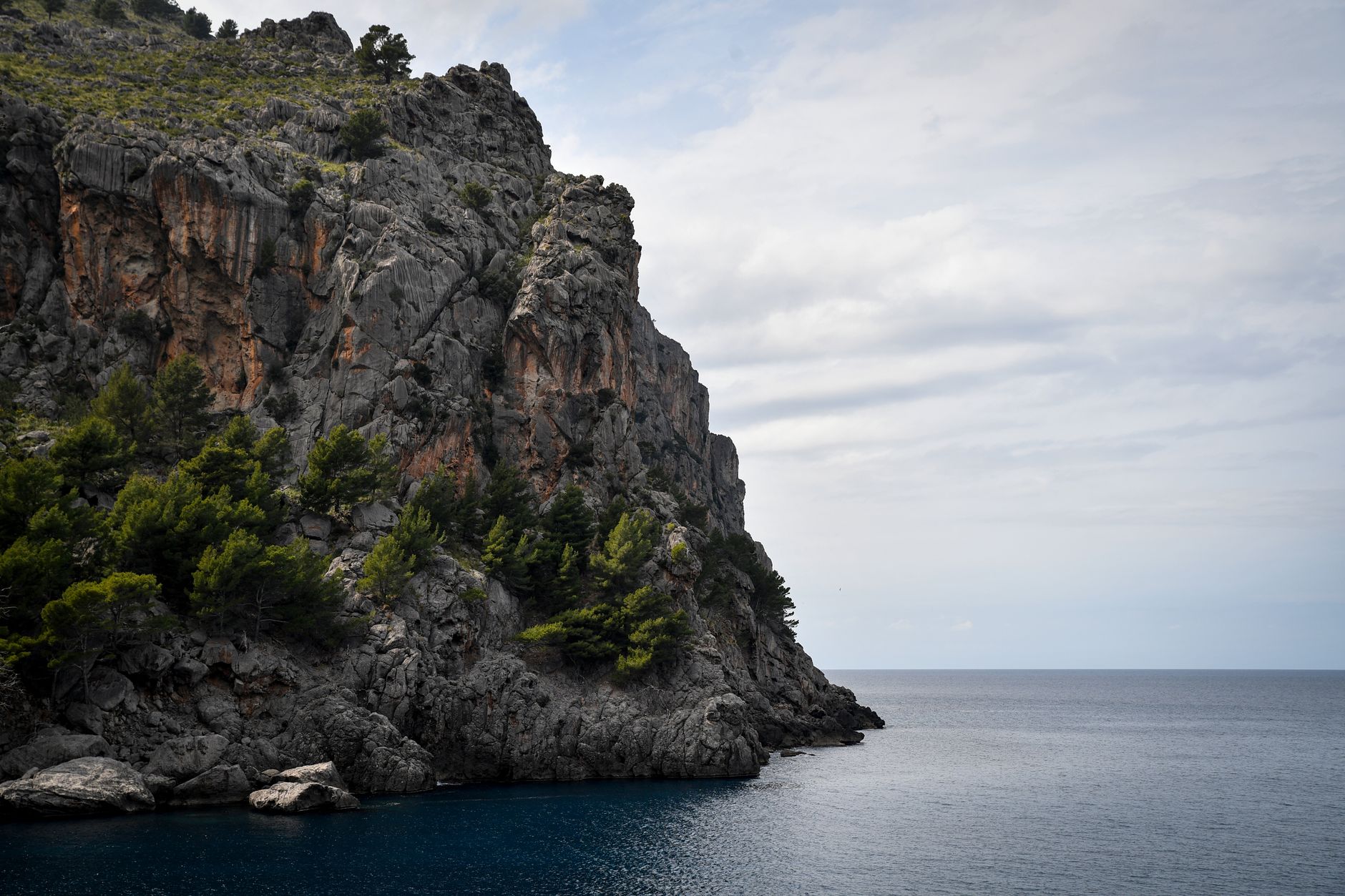
Table of Contents
Long before commercial agriculture flattened the taste profile of contemporary European dining, sustenance in the Mediterranean was intimately gathered from rocky escarpments. Here, where wind-beaten garrigue meets the open turquoise sea, plants fight for survival by concentrating essential oils, bitter resins, and floral complexity.
1. The Scent of the Maquis Before Dawn
Sailors approaching Corsica or the Greek Peloponnese by night often smell the shore long before lighthouses pierce the dark. The scent is unmistakable: a sharp resinous chord of cistus, maritime pine sap, crushed wild rosemary, and saline moisture evaporated from sea-spray cliffs.
For village elders in southern Greece, waking before the morning sun is not an agrarian duty, but a botanical necessity. Herbs picked while dew still clings to leaves retain delicate volatile compounds that harsh midday sun evaporates in minutes.
2. Coastal Herbs: Rock Samphire, Oregano, and Myrtle
Among the most prized coastal botanicals is rock samphire (Crithmum maritimum), known locally as kritamo. Rooted in barren limestone crevices bathed in salt water, its crisp, succulent leaves offer a sudden explosion of saline brightness, celery-seed aroma, and oceanic mineral tang.
Pair this with high-altitude wild oregano stripped from mountain scrub above 800 meters, and you begin to understand the austere alchemy of rural Mediterranean gastronomy: a handful of wild leaves, local cold-pressed Koroneiki olive oil, rough sourdough, and fresh goat's curds.
"To taste food gathered from the cliffside is to understand that terroir is not an abstract vintage concept, but the geology underfoot."
3. The Hearth: Cooking with Sea Salt and Wood Embers
In small fishing villages along the Laconia coastline, cooking remains tied to stone hearths fueled by dried wild olive prunings and dry myrtle stems. Fish caught four hours earlier in wooden kaiki boats are rarely filleted or coated in complicated sauces. Instead, they are laid whole over glowing olive coals, seasoned simply with dried sea-salt flakes harvested by hand from coastal tide pools.
4. Sustainable Harvesting Along Vulnerable Coasts
With renewed global curiosity in foraging, coastal ecosystems face unprecedented strain. True foraging demands discipline: never pull roots, take no more than twenty percent of a single wild bush, and rotate harvesting valleys across consecutive seasons. 111111 champions small community initiatives that educate travelers on respectful, non-commercial foraging techniques.
Complementary Reading
Minimalist Packing for Wild Frontiers
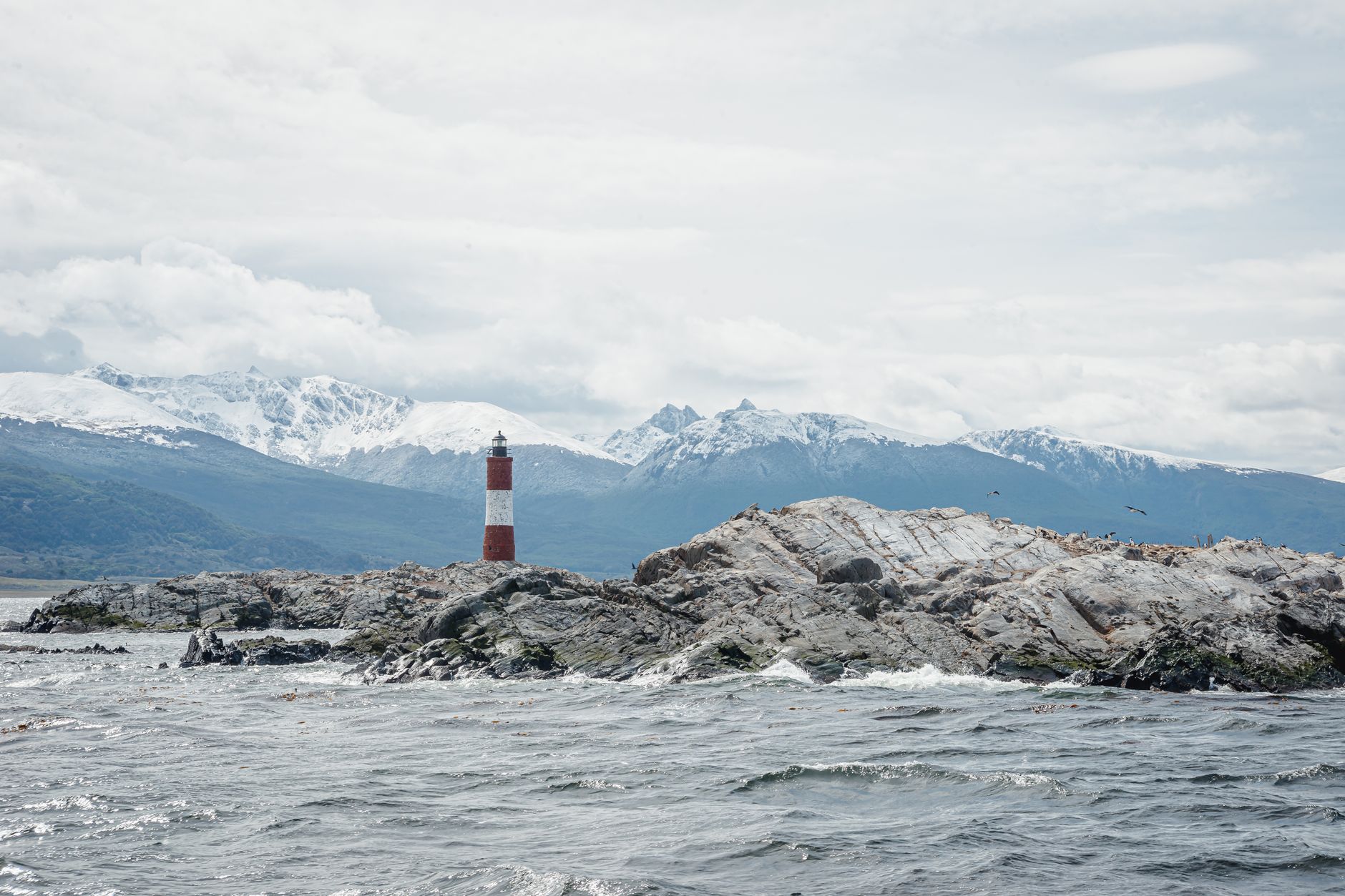
Durable modular gear for polar latitudes.